Introduction: Demystifying Hair Coloring
Hair coloring can seem daunting if you're new to it, especially with the variety of techniques and terms used in salons today. At Lavender Fields in Lenoir, NC, we believe that understanding these concepts can transform your salon experience from intimidating to exciting. This guide aims to break down the basics, making it easy for anyone to grasp the essentials of hair coloring as of 2026.
Why Choose Hair Coloring?
Hair coloring is a fantastic way to express your personal style, cover grays, or simply refresh your look. With advances in coloring techniques, 2026 has brought even more options for achieving the perfect hue. Whether you're looking for something bold or a subtle change, understanding the process can help you communicate effectively with your stylist.
Basic Hair Coloring Techniques Explained
Permanent vs. Semi-Permanent Color
Permanent Hair Color involves a process that opens the hair cuticle and deposits color deep inside, ensuring long-lasting results. It's ideal for those looking to cover gray hair or make a significant change.
Semi-Permanent Hair Color coats the hair shaft and typically lasts through several washes. It's perfect for trying out a new shade without a long-term commitment.
Balayage and Highlights
Balayage is a technique where color is painted onto the hair in a sweeping motion, creating a natural, sun-kissed effect. It’s a low-maintenance option that blends beautifully as hair grows.
Highlights involve dyeing sections of hair lighter than the base color, adding depth and dimension. Options range from subtle baby lights to bold, chunky highlights.
Ombre and Sombre
Ombre is characterized by a gradual transition from dark to light, usually starting from the roots and lightening towards the ends. This technique creates a dramatic, two-tone effect.
Sombre , or "soft ombre," is a more subtle version with a softer blend of color, offering a more natural look.
Choosing the Right Color: Factors to Consider
Selecting the perfect hair color involves considering several factors beyond just your personal preference.
Skin Tone
Your skin tone can significantly affect how a hair color looks on you. Generally, cooler skin tones pair well with ashy or platinum shades, while warmer tones complement golden or caramel hues.
Hair Texture
Different hair textures absorb color differently. Thicker, coarser hair may require more processing time, while finer hair might take color more quickly.
Lifestyle
Consider maintenance when choosing your color. Vibrant shades or techniques like balayage require specific upkeep to stay looking fresh.
Preparing for Your Salon Visit
Before visiting Lavender Fields, here are a few tips to ensure you're ready for your appointment:
- Research: Gather inspiration photos to show your stylist the look you’re aiming for.
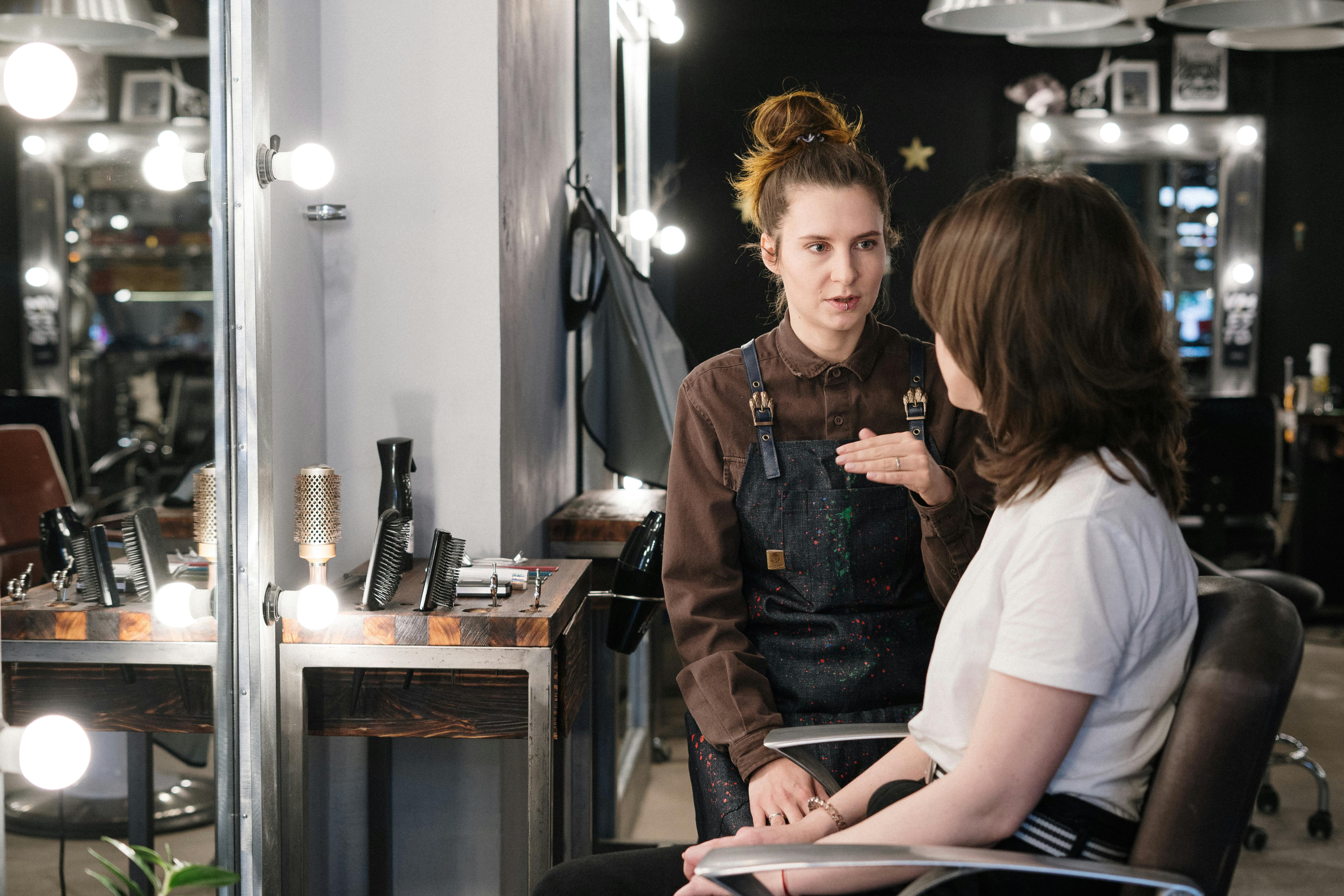
- Consultation: Use this time to discuss your ideas and concerns with your stylist.
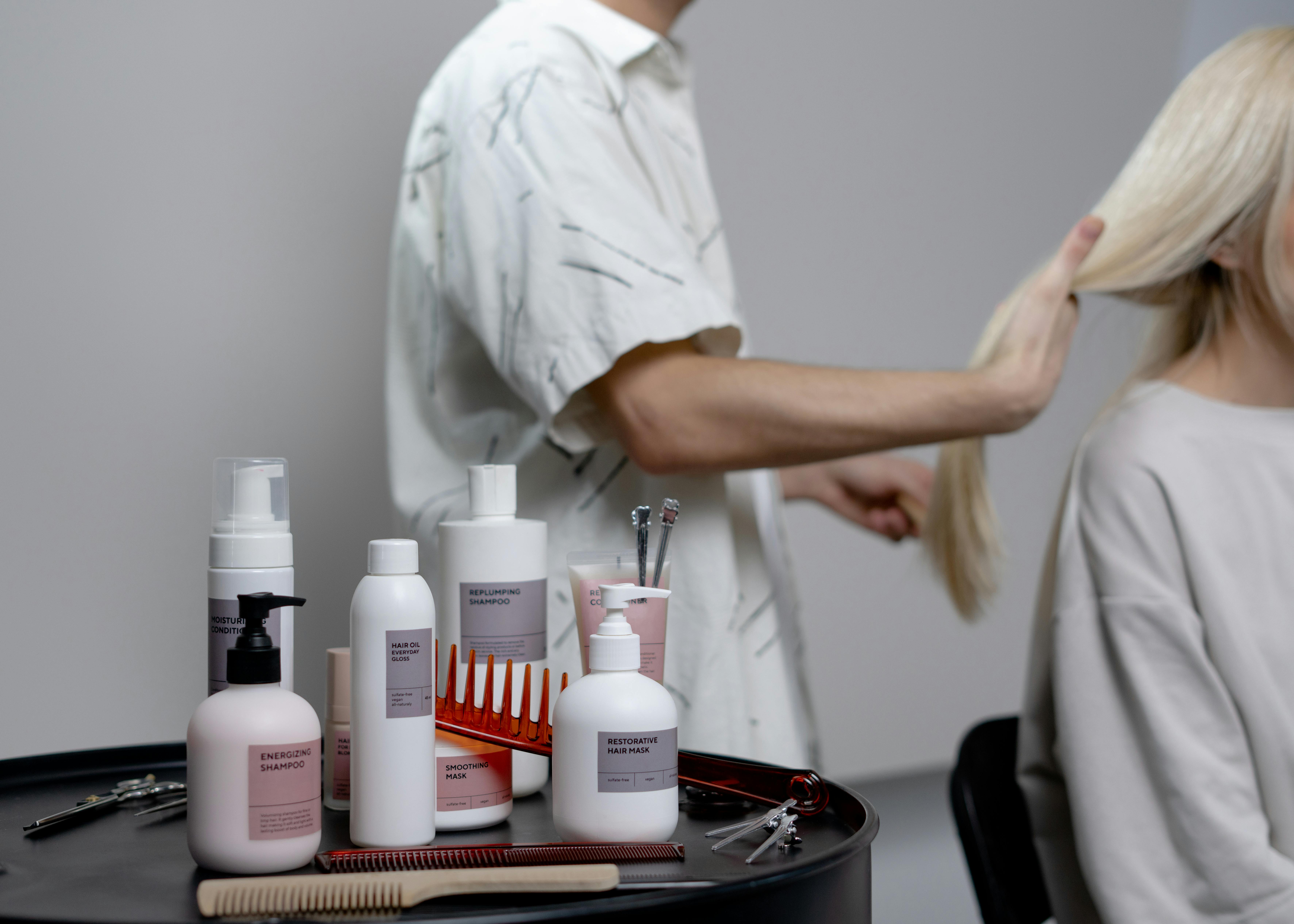
- Aftercare: Ask about recommended products to maintain your color.
Conclusion: Embrace Your New Look
Understanding the basics of hair coloring can empower you to make informed decisions and achieve your desired look. At Lavender Fields in Lenoir, NC, our team is dedicated to helping you navigate these choices with ease and confidence. Whether you’re making your first foray into hair coloring or revisiting an old favorite, we’re here to support your journey to a vibrant, new you.
For more personalized advice, feel free to contact us or book a consultation. Let's transform your hair coloring dreams into reality!